The travel industry is growing digitally. Consumers require a fast and seamless booking system. Users choose platforms that deliver real-time availability and secure payment for flights or hotels. This move has made Travel Booking Software Development one of the fastest-evolving technologies.
OTAs, Tour operators, and startups are adopting custom travel systems to automate processes and improve customer experiences. Whether you are planning to build travel software, this guide explains the essential features, technologies, development process, and best practices from a software development viewpoint.
Why Travel Booking Software Development Matters in 2026?
Modern travelers compare multiple options before making a booking. Businesses require intelligent platforms capable of managing thousands of on-time bookings, searches, cancellations, and payment transactions every day. A properly designed travel booking system helps businesses:
- Reduce Manual Work
- Automate Booking Management
- Improve Customer Experience
- Increase Online Bookings
- Connect with Multiple Travel Suppliers
- Manage Inventory in Real Time
- Scale Business Operations
Whether you are developing travel portal solutions or mobile-first booking applications, the software becomes the backbone of your digital travel business.
Types of Travel Booking Software
Different businesses require software solutions based on their services. Here are different types of software given below:
1. Flight Booking Software
This platform enables users to search for international and domestic flights and book with live pricing.
2. Tour Package Booking Platform
It enables customers to browse custom itineraries, holiday packages, and complete bookings online.
3. Multi-Service OTA Platform
An Online Travel Agency (OTA) software development project merges hotel, flight, and many more holiday packages into a single booking portal.
Core Features of Travel Booking Software Development
Here are the essential features of travel booking software:
1. User Registration & Profile Management
It enables consumers to create accounts, save traveler details, manage bookings, and acquire personalized guidance.
2. Advanced Search and Filters
Users should easily search travel services based on:
- Budget
- Date
- Airlines
- Hotels
- Rating
- Amenities
- Destinations
Fast filtering significantly improves booking conversions.
3. Real-Time Booking Engine
A robust booking engine development module connects suppliers through APIs and displays live availability with instant approval. The booking engine should support:
The booking engine should support:
- Flights
- Hotels
- Buses
- Holiday Packages
- Activities
4. Flight Booking Software Integration
An advanced flight booking software should integrate with Global Distribution Systems (GDS) like:
- Sabre
- Amadeus
- Galileo
It supports:
- Fare comparison
- Seat Selection
- Ticket Generation
- Cancellation
- Refund Management
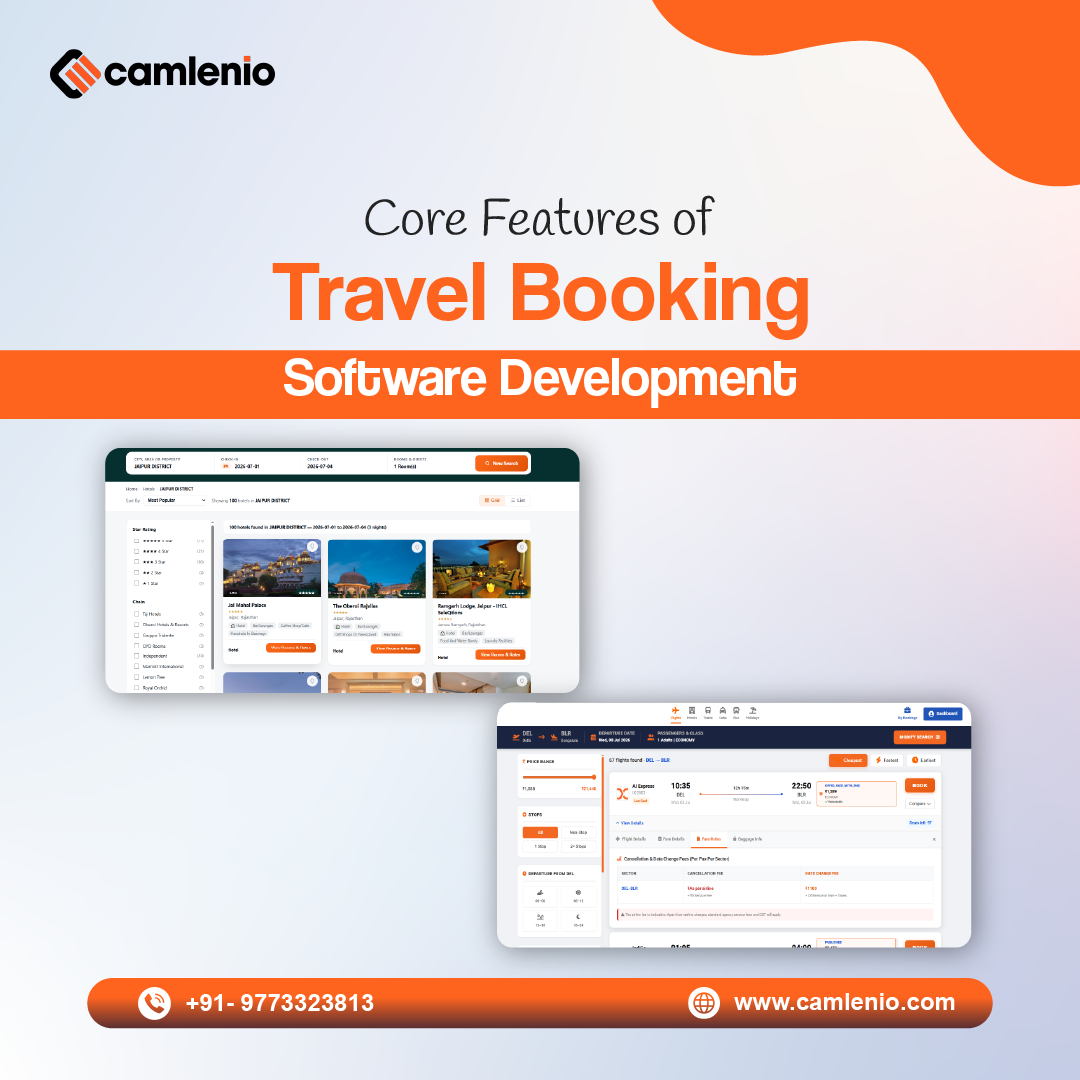
1.1 Features of Travel Booking Portal
5. Hotel Reservation Management
The hotel booking module should include:
- Room Availability
- Dynamic Pricing
- Multiple Room Categories
- Hotel Images
This simplifies the complete reservations system development process.
6. Secure Payment Gateway
The payment integration should support:
- UPI
- Credit Cards
- Debit Cards
- Net Banking
- Wallets
- International Payments
The security standards should include encryption and secure customer transactions.
7. Admin Dashboard
The administrators should manage:
- Customers
- Suppliers
- Pricing
- Offers
- Reports
- Commissions
A centralized dashboard boosts operational efficiency.
8. Agent Management Portal
Every travel agent should have dedicated access to:
- Track commissions
- Make Bookings
- Download Invoices
- View Reports
- Manage Customers
This feature is important for B2B travel businesses.
Technology Stack for Travel Booking Software
Choosing reliable Travel Booking Software Development technology directly affects performance and scalability.
- Frontend
- Angular
- Vue.js
- React.js
- Mobile
- React Native
- Flutter
- Backend
- Node.js
- Laravel
- ASP.NET Core
- Database
- PostgreSQL
- MongoDB
- MySQL
- Cloud
- AWS
- Microsoft Azure
- Google Cloud
A modern design supports API- first development and cloud scalability.
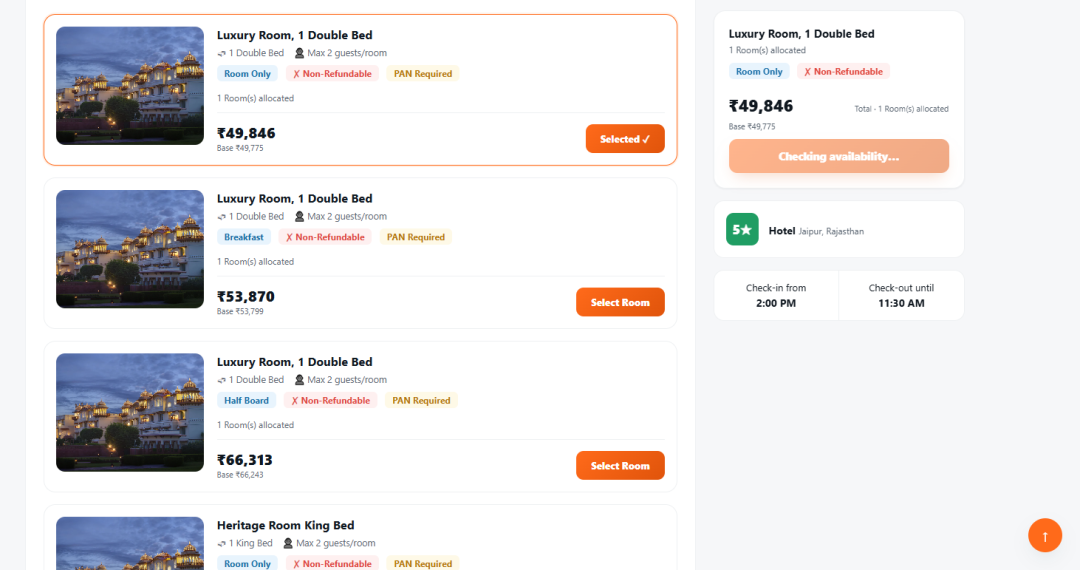
1.2 Hotel Booking Dashboard
Travel Booking Software Development Process
A structured development process guarantees scalable and reliable software.
1. Requirement Analysis
The team understands business goals, user roles, booking workflows, and API requirements.
2. Development
Create creative interfaces that simplify booking and reduce user friction.
3. UI/UX Design
Create modules for customers and administrators while integrating payment gateways and travel APIs.
4. API Integration
Connect with airline, hotel, and payment providers for real-time data synchronization.
5. Deployment
Deploy on a secure cloud design with continuous monitoring and backup.
6. Maintenance
We provide feature updates, security patches, and performance optimization.
Benefits of Travel Booking Software Development
Professional Travel Booking Software Development offers several long-term benefits.
- 24/7 Online Bookings
- Reduced Operational Costs
- Faster Reservations Processing
- Better Customer Engagement
- Real-time Inventory Management
- Increased Booking Accuracy
- Business Analytics
- Multi-Vendor Support
These advantages help businesses compete virtually in the rapidly growing online travel market.
Read Also:Healthcare Software Development Guide 2026: A Step-by-Step ProcessHow to Choose the Best Travel Agency Software?
When selecting the best Travel Booking Software Development Company in Jaipur and consider whether the platform offers:
- API Integration Expertise
- Cloud Deployment
- Mobile Application Support
- Multi-Language Functionality
- GST-ready Billing
- Strong Security Standards
- Technical Support
- Performance Optimization
These attributes help travel businesses manage processes efficiently and automate bookings, delivering a better consumer experience. A solution made by an experienced development partner also makes future upgrades easier and reduces long-term upkeep challenges.
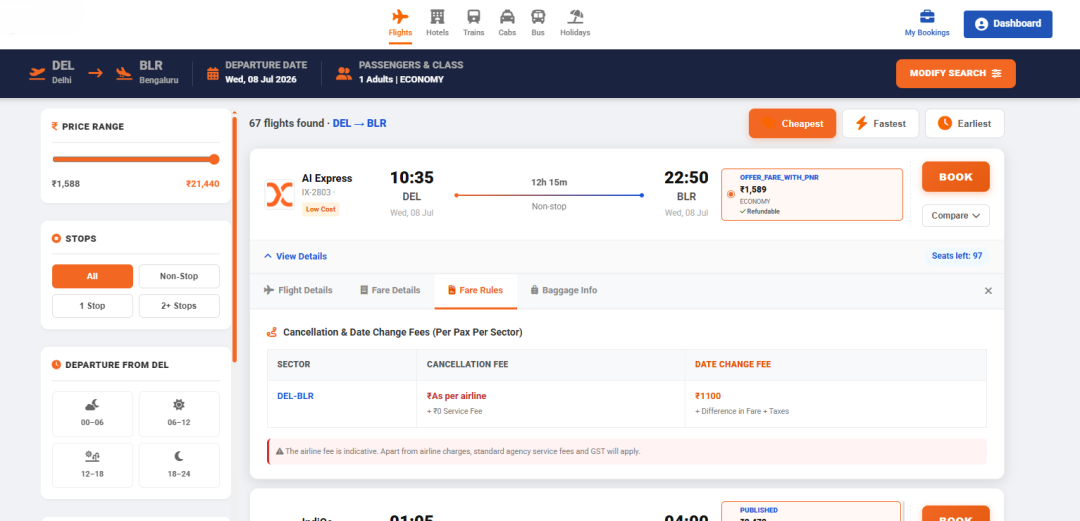
1.3 Air Ticketing Dashboard
Why Choose Camlenio for Travel Booking Software Development?
Camlenio builds travel booking software because we deliver secure, scalable travel technology solutions customized to modern business goals. Our web development team focuses on building a high-performance platform with creative user experiences and cloud-ready deployment.
Our experts include:
- Custom Travel Booking Software Development
- Travel Website Development
- B2B & B2C Travel Portals
- API Integration & Maintenance
We follow modern development practices and build solutions that can scale as your travel business develops.
Final Words
In the digital environment, the travel industry demands customer-focused digital solutions. Investing in travel booking software development allows businesses to automate processes. This platform enhances booking planning, integrates with multiple travel services, and provides a seamless experience across web or mobile platforms.
If you are launching a startup or updating a current travel agency, custom software provides the flexibility and competitive benefits needed in today’s digital ecosystem. Partnering with experienced software development companies in Jaipur, like Camlenio guarantees your travel platforms are secure and ready for future growth.
FAQs
Q1. Why Should Travel Agencies Invest in Custom Travel Booking Software?
Ans. With advanced, secure payment integrations, the travel booking software helps agencies reduce manual labor, automate reservations, increase online bookings, manage inventory, and expand their business.
Q2. What Technologies Are Used for Travel App development?
Ans. React.js or Angular for web interfaces, Laravel for backend development, and cloud platforms like AWS or Google Cloud for hosting are typical of travel app development.
Q3. How long does it Take To Develop Travel Booking Software?
Ans. The development timeline is based on the project scope. A basic travel booking platform may take 3-5 months, while an advanced OTA software solution with multiple API integrations and mobile Apps can take 6-12 months.
Q4. Which APIs are Commonly Used in Travel Booking Software?
Ans. Popular APIs used in travel booking software development include Sabre, Galileo, Travelport, Google Maps. and hotel inventory APIs. These provide real-time pricing, availability, booking confirmation, and payment processing.
Q5. Who can benefit from Travel Booking Software?
Ans. These operators can benefit: online travel agencies, tour operators, hotels, destination management firms, and travel startups looking to digitize their operations will all benefit greatly from the travel booking software.